
A Tiny Chip Could Be the Reason Your Lost Pet Comes Home
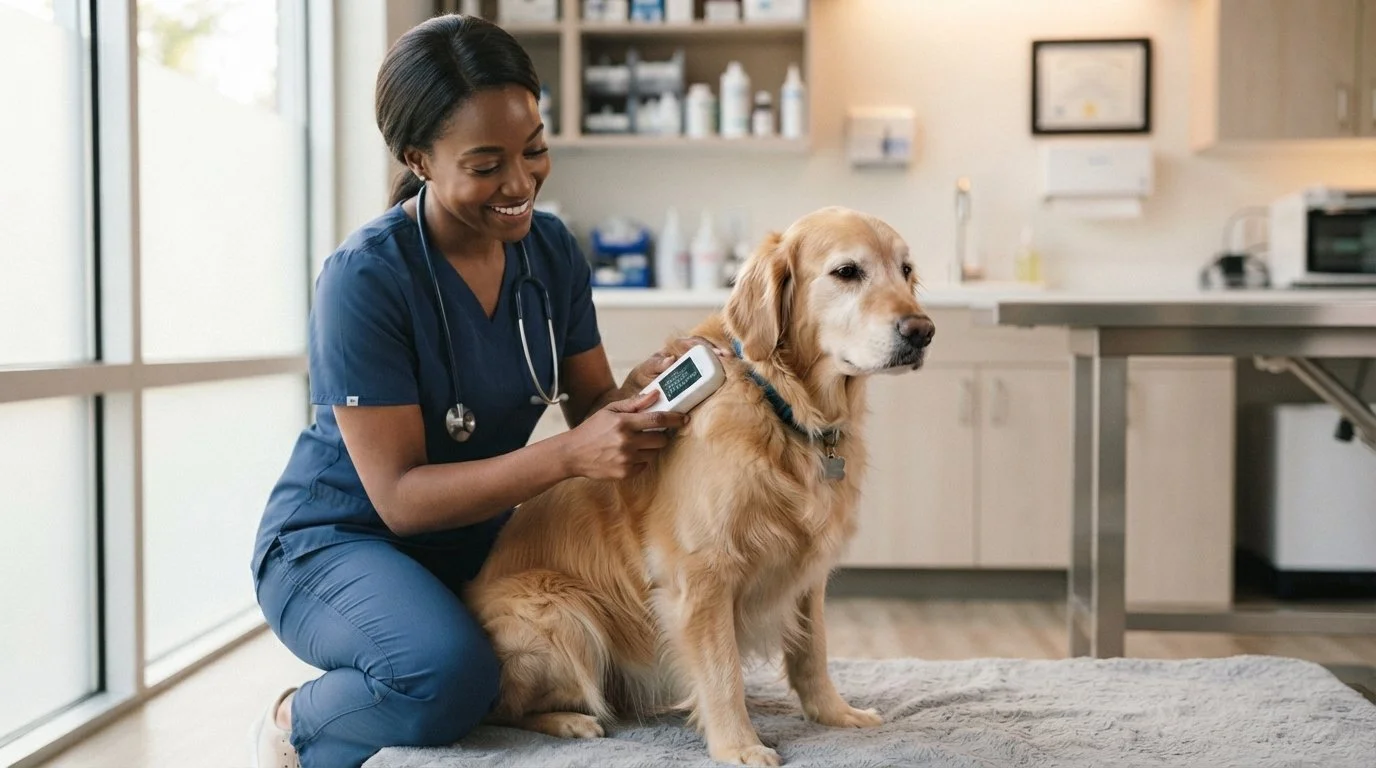
National Check the Chip Day is August 15. It’s a reminder to make sure your pet's microchip is registered and that your contact information is current and the chip is still working.
If your dog or cat ever slips out the door, escapes the yard or simply disappears, a collar and ID tag can be lifesavers. But collars can fall off. Tags can become unreadable. And sometimes, pets end up far from home.
That's where a microchip can help.
A microchip is about the size of a grain of rice and is implanted under a pet's skin. It doesn't contain your address or phone number, and it isn't a GPS tracker. Instead, it contains a unique identification number that can be linked to your contact information through a pet recovery registry. When a lost pet is found, a shelter or veterinary hospital can scan the chip and use that number to help identify the family.
And sometimes, that little chip makes a reunion possible when it otherwise might never happen.
A cat missing for a year comes home
Bonnie Lex, a Virginia Beach resident and longtime champion of trap-neuter-return (TNR), has helped thousands of community cats over the years.
Along the way, she's occasionally encountered cats she suspected had once been someone's pet.
That's exactly what happened when Lex came across a particularly friendly black cat. She had a feeling he belonged to someone, and she was right.
The cat was microchipped.
Lex was able to identify his owners and reunite him with his family, who had been looking for him for an entire year.
Without that microchip, the reunion might never have happened.
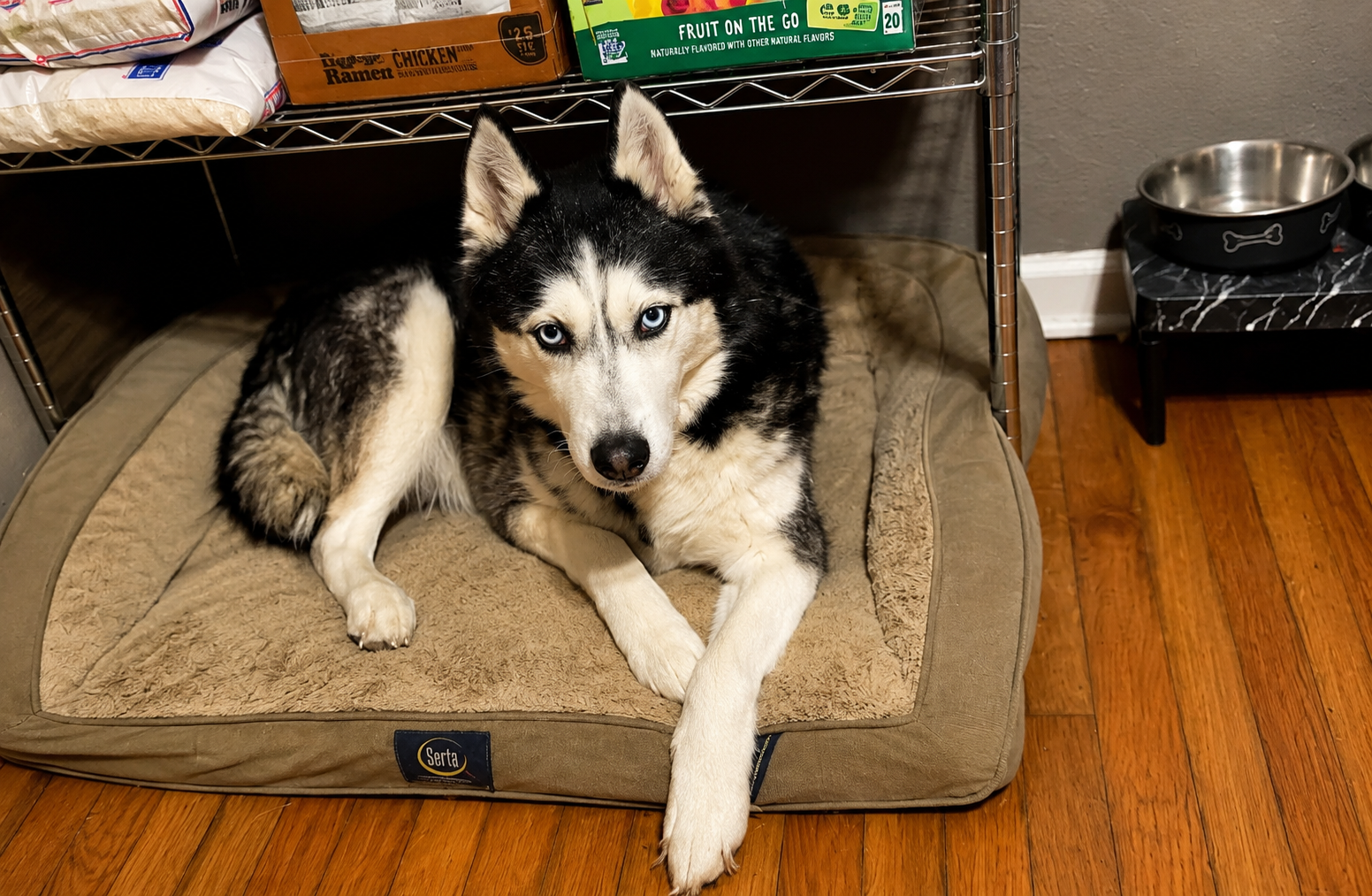
A microchip helped Simba find his way back home. Courtesy photo
A chip helped Simba get home
Stephanie Rivera of Norfolk knows firsthand how quickly a lost-pet search can turn into a nightmare.
Her family was caring for her brother-in-law's purebred Husky, Simba, after he moved out of state. Then Simba escaped from the backyard.
Rivera searched everywhere.
"He wasn't behind the shed nor under any furniture at home, nowhere near home," she recalled.
She eventually had to leave for an appointment, so the search was temporarily put on hold.
Then her husband, Peter, got a surprising call: Simba had been found at the entrance of Thrift USA, just sitting there like he was waiting to be found.
Someone had taken him to an animal shelter, where staff scanned him for a microchip.
They were able to identify Simba and contact his family.
Fortunately, Peter was home when Simba was brought back.
"It was a pretty neat experience!" Rivera said. "Such a relief."

Simba back with the family who loves him! Courtesy photo
Simba’s reunion with his family is a great example of what happens when a microchip works properly, but what about when it doesn’t?
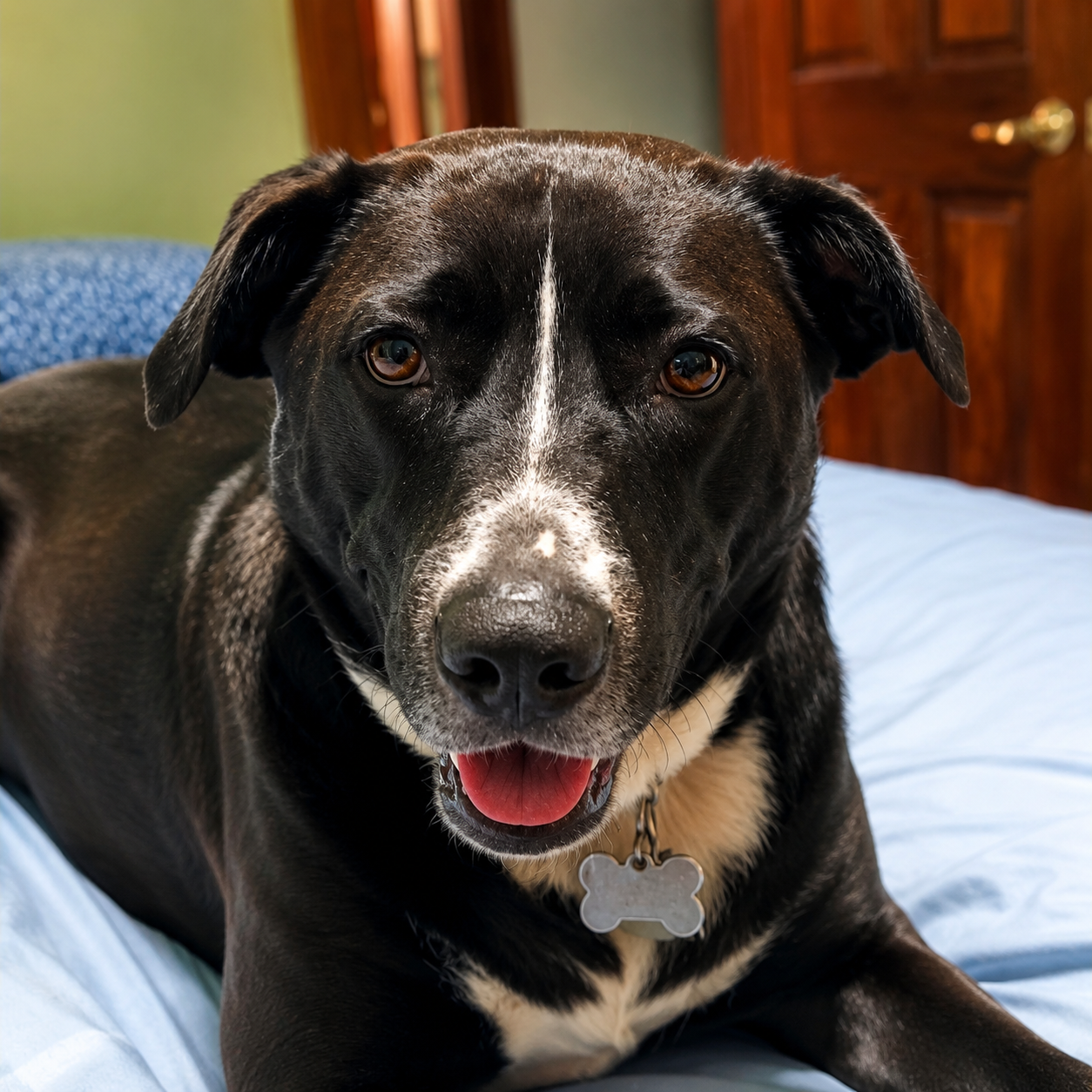
When Bob LeBlanc’s dog, Ali, went missing, he learned the hard way that many microchips fail. Courtesy photo
When the chip doesn't work
Bob LeBlanc's experience with his beloved dog, Ali, offers another important lesson: having a microchip isn't necessarily enough. You need to make sure it can actually be read.
When Ali went missing after slipping out of her collar, LeBlanc was frantic.
A Good Samaritan found her and had her scanned for a microchip.
Ali had one, but the scan didn't pick it up.
The chip had failed.
"That is my chip story," LeBlanc said. "It was less than three months after she was chipped and it was already dead and turned out to be useless."
Thankfully, Ali made it home. But the experience left LeBlanc with an important message for other pet owners: Don't assume that because your pet was microchipped, you're done.
Check the chip and check the information.
That's exactly what National Check the Chip Day is about.
AAHA recommends that pet owners have their pets' microchips scanned annually to make sure the chip is still detectable and hasn't migrated from its original location. Your veterinarian can typically do this during a routine visit.
You should also make sure the information associated with the chip is current.
Update the registry.
A microchip only contains an identification number. Your contact information is stored in the registry associated with that number. If the information is outdated, or the chip was never registered in the first place, a shelter or veterinary hospital may have no way to reach you.
If you don't know which registry your pet's chip is registered with, the American Animal Hospital Association offers a Universal Pet Microchip Lookup Tool that can identify participating registries using your pet's microchip number.
Moved recently? Changed your phone number? Got a new email address? Adopted a pet that was already microchipped? If you want the best chance of a reunion, update the information.
A microchip isn't a substitute for a collar
Microchipping isn't foolproof, and it shouldn't replace a collar and current ID tag. AAHA recommends using both. Different microchip technologies and scanners exist, and no system is completely fail-safe.
Think of it as layers of protection:
Collar + ID tag + registered, working microchip = your pet's best chance of coming home.
This Check the Chip Day, take a few minutes to make sure your pet's tiny piece of identification is doing its very big job.
Because if your pet ever goes missing, you want every possible path leading back home.
Need to Scan a Pet for a Microchip?
Hampton Roads residents have access to 24/7 public microchip scanning stations in Norfolk and Virginia Beach.
📍 Norfolk: 501 Front St.
📍 Virginia Beach: Virginia Beach SPCA, 3040 Holland Road
The free, self-service scanners can be especially helpful if you find a lost pet after hours. These stations are for scanning only, not pet drop-offs.
If a chip is found, follow the instructions at the station to begin the process of getting the pet back home.